Beauty Industry on the Rise
Beauty has always been a reflection of culture, identity, and personal expression. In today’s fast-changing world, cosmetics are no longer seen as luxury items — they have become daily essentials for millions of people worldwide. From skincare routines to makeup trends, consumers are embracing products that help them feel confident, enhance their appearance, and align with their lifestyle values.

The numbers reflect this unstoppable momentum. In 2023, the global cosmetics market was valued at USD 295.95 billion. By 2030, it is projected to soar to USD 445.98 billion, growing at a compound annual growth rate (CAGR) of 6.1% from 2024 to 2030. This steady expansion confirms the cosmetics industry as one of the most resilient and dynamic markets in the world.

Regional Market Dynamics
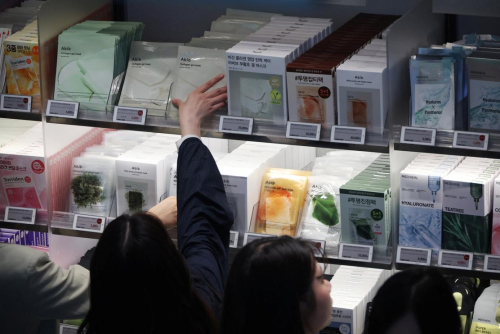
The heart of this growth lies in Asia-Pacific, which captured an impressive 45% share of the global cosmetics market in 2023. Countries such as South Korea, Japan, and China are leading not only in consumption but also in setting beauty trends that resonate worldwide. The popularity of K-beauty, for example, has redefined standards for skincare routines and product innovation.

Meanwhile, the United States remains a powerhouse, with the market expected to expand at the same 6.1% CAGR as the global average. The U.S. beauty industry is driven by strong brand loyalty, celebrity influence, and a growing demand for premium and eco-friendly products.
Europe also plays a significant role, especially in luxury cosmetics and fragrance markets, where heritage brands continue to dominate.
Key Drivers of Growth
Several forces are shaping the cosmetics industry’s rapid expansion:
1. Rising Awareness of Personal Appearance
More consumers view beauty as part of overall wellness and self-expression. Grooming routines are no longer optional but integrated into daily lifestyles.
2. Millennial & Gen Z Influence
Younger generations are redefining beauty standards. Skincare, color cosmetics, and haircare are now essential items in their personal care kits. They also demand authenticity, transparency, and inclusivity from brands.
3. Shift Toward Natural & Organic
Products made with natural, non-toxic, and organic ingredients are gaining traction as eco-conscious consumers push for cleaner, safer options. Sustainability is no longer a niche trend — it’s becoming the new standard.
4. Innovation & Technology
From AI-driven skin analysis apps to personalized beauty solutions, technology is fueling innovation across the industry. New product launches and collection expansions help brands stay relevant and competitive.
The Future of the Cosmetics Market
Looking ahead, the cosmetics industry is expected to thrive as it adapts to new consumer expectations. The rise of eco-friendly packaging, sustainable sourcing, and inclusive branding will continue to influence purchasing behavior.
As consumers become more informed and values-driven, brands that align with sustainability, wellness, and authenticity will be the ones to stand out.
The combination of cultural influence from Asia-Pacific, innovation from global beauty giants, and the increasing power of digital platforms creates a unique ecosystem where the cosmetics market will not only grow but transform.
| The global cosmetics market is entering a new era — one where beauty is defined not only by appearance but also by values, lifestyle, and innovation. For companies like Hana Global, this presents an opportunity to lead the way in bringing world-class, sustainable, and consumer-focused beauty solutions to the international stage. |